

The RM of Ritchot has signed a memorandum of understanding (MOU) with an innovative Manitoba startup specializing in organic waste conversion.
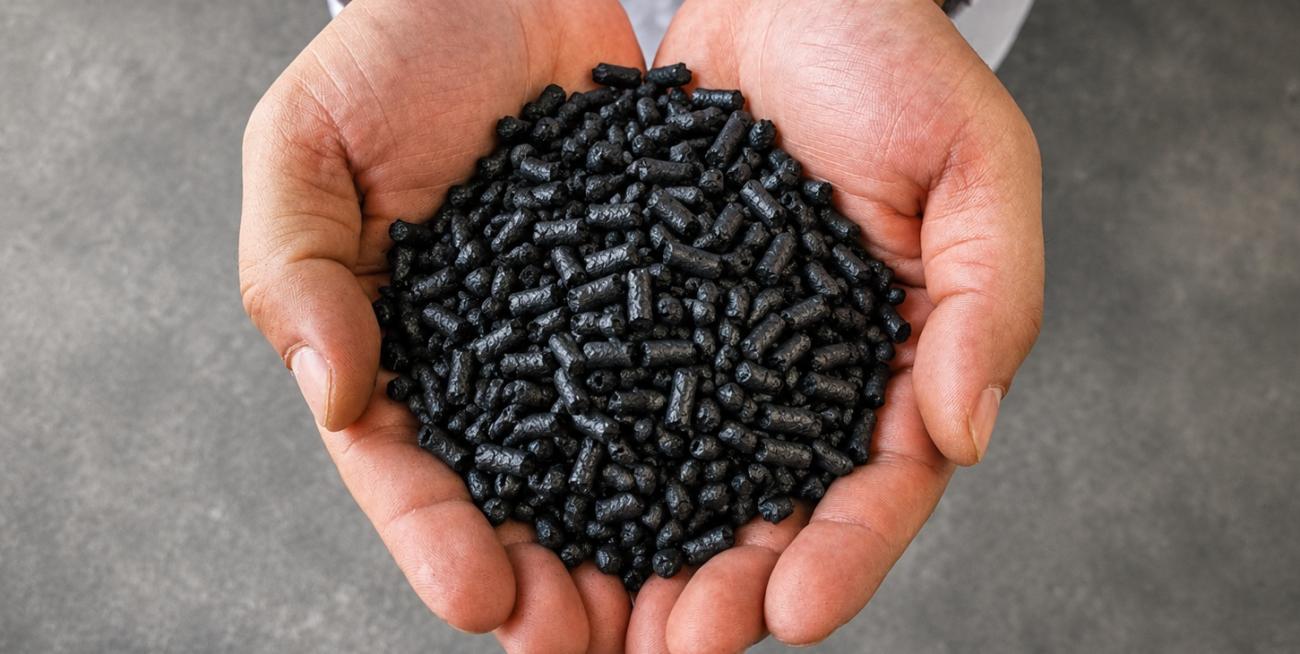
Within the next few weeks, Carbon Lock Tech will put shovels in the ground on a plot adjacent to the Ritchot landfill. The goal of this pilot project is to demonstrate not just the viability but the profitability of turning biomass into earth-friendly biochar pellets through a high-heat process called pyrolysis.
“Other than providing the land, we have no financial [stake],” CAO Shane Ray says. “If the technology turns out to be a positive thing, then part of our MOU allows us to potentially turn it into much more of a commercial facility. In that case, we would have an opportunity to generate a revenue long-term, off-setting costs to our residents.”
Kevin Danner is the CEO of Carbon Lock Tech. Now that the MOU is in place, Danner says the facility should be up and running by next fall.
“We’re building the newest generation of reactor technology right now, so we want to have that ready to go in,” Danner says.
Within 18 months of the start of production, if the company has proven its worth, the RM will have the right to construct a full-scale commercial facility and retain the profits derived from it.
According to Danner, 40 percent of waste going to the landfill is organic material comprised of things like wood, grass clippings, leaves, discarded Christmas trees, agricultural crop waste, and food waste.
“All of those things end up going to the landfill and then of course they rot and it smells bad and there’s methane and all those bad things,” he says. “The idea is that we take that material and turn it into carbon, which has a stable format that doesn’t degrade or smell.”
That waste, once a CO2 hazard in the landfill, becomes highly useful as a carbon pellet, actually benefitting the environment. First and foremost, it can be put back into the landfill to provide odour control and filter the leachate, protecting the groundwater below the surface.
“It’s very good at removing contaminants,” Danner says. “We’ve filtered liquid from mine sites and we’ve done leachate from landfills. It’s very similar to an activated charcoal filter in your Brita.”
If production is good, the excess carbon pellets can be sold as a commodity, useful as an environmentally friendly additive in concrete and asphalt. It’s also been tested as a peat replacement in soil amendment and proven an effective filter in wastewater applications.
But its impact has the power to extend well beyond its tangible usefulness. The act of redirecting harmful CO2 emissions will give companies like Carbon Lock Tech the ability to sell carbon credits to larger corporations looking for ways to offset their own emissions, like Google, Meta, Microsoft, and Amazon, or airlines and vehicle manufacturers.
“The federal government has a request for proposals right now to procure carbon dioxide removal (CDR) credits from Canadian companies [like ours]. They’ve earmarked $10 million towards that initiative.”
Another $100 million, Danner says, is available through organizations such as the Advanced Carbon Removal Coalition.
The Ritchot/Carbon Lock Tech collaboration is the first of its kind in Manitoba, but Danner hopes it’s the beginning of a trend for municipalities everywhere. The technology isn’t new. Similar facilities have been developed in cities like Regina, Victoria, and Minneapolis. Some cities have adopted it as a replacement of their own compost collection services.
With Manitoba on a path to achieve net-zero emissions by 2050, Danner says his company can help them get there.
“There is no path to net-zero that doesn’t include carbon dioxide removal technologies. With this type of technology, we have the chance, here in Manitoba, to be a leader in the carbon dioxide removal space. And we have a very good chance, I believe, to becoming Canada’s very first net-zero province.”