

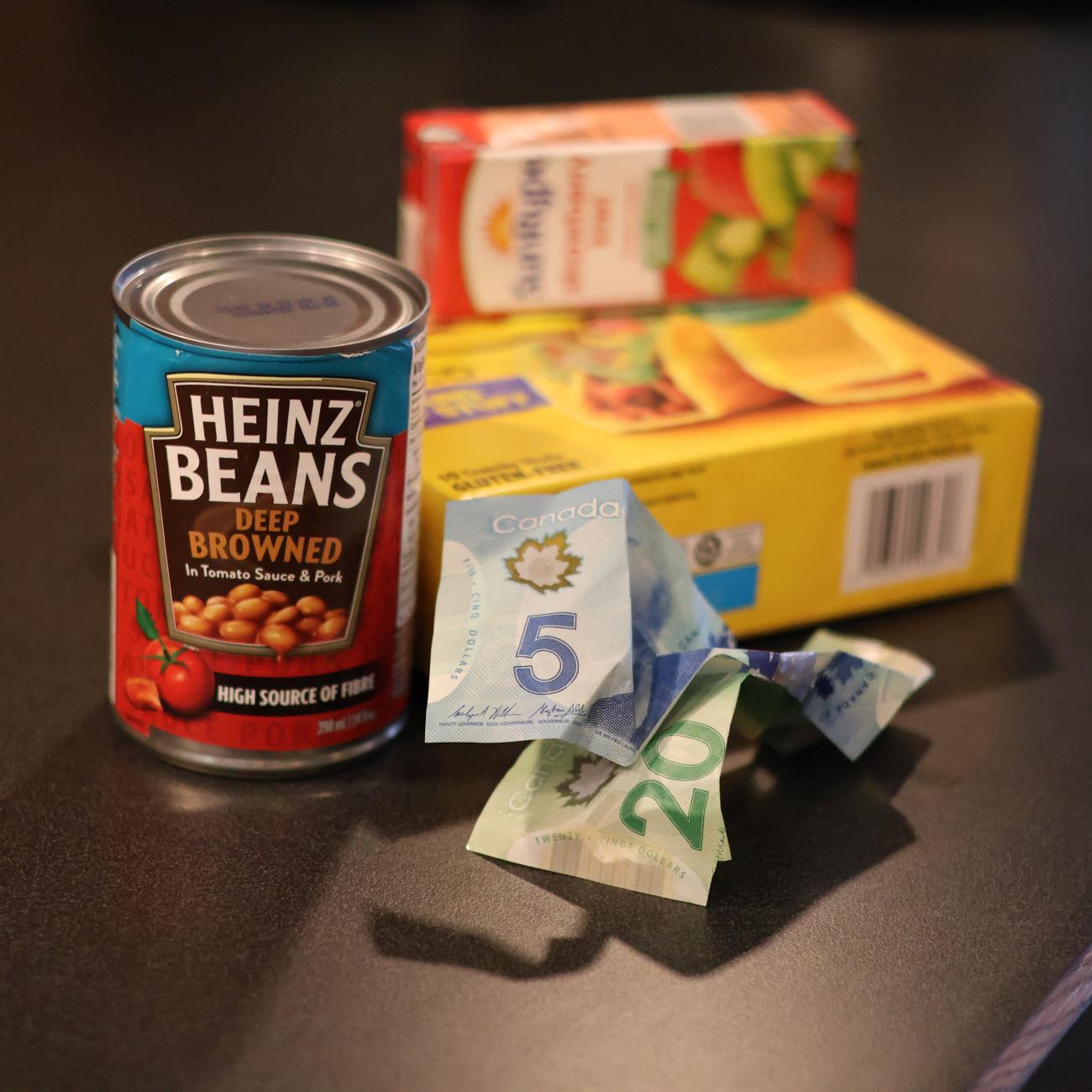
On February 11, the NDP officially launched a study designed to look for ways to make groceries in this province more affordable.
“Manitobans are feeling the cost of groceries every week,” says Premier Wab Kinew. “As a government, we have a responsibility to make sure life is affordable for families. This study is about going after the practices that are driving up prices and making sure grocery prices work for people, not against them.”
The provinces hopes the study, expected to be completed by spring, will open doors for opportunities for the province to intervene in retail prices.
“Preliminary technical findings will inform potential affordability measures for inclusion in Budget 2026, demonstrating immediate action to help Manitobans reduce their grocery costs,” the province says in a statement.
This announcement follows on the heels of a report produced in 2025 by Harvest Manitoba, which indicated that about 60,000 Manitobans currently rely on foodbanks. In the past five years, the need for foodbanks in Manitoba has risen 150 percent.
The new study promises to include an analysis of pricing practices used by local grocery chains, especially predatory or differential pricing.
Differential pricing refers to the practice of charging different prices for the same product at the same store. According to Kinew, some retailers may track consumers and target certain demographics to arrive at these prices.
A recent American consumer report revealed a disparity between online prices and in-store prices at certain grocers. In other cases, the price shown on the shelf may be different than what’s charged at the checkout.
Also under scrutiny are practices that suppress competition, giving grocery conglomerates an edge and the power to fix prices.
The province will analyse rising production costs and local supply‑chain vulnerabilities. They’ll also investigate the underlying causes of food desserts as well as disparities in access to healthier foods.
Eventually, the government believes this could lead to new food taxation policy, a strengthening of competition laws, and greater support for Manitoban food producers.
“As finance minister, my job is to focus on two budgets: the province’s budget and your household budget,” says Finance Minister Adrien Sala. “This work will help identify real, workable steps to bring grocery costs down and make life more affordable for Manitobans.”
According to the government, this will be the first province-led grocery pricing study in Canada.