

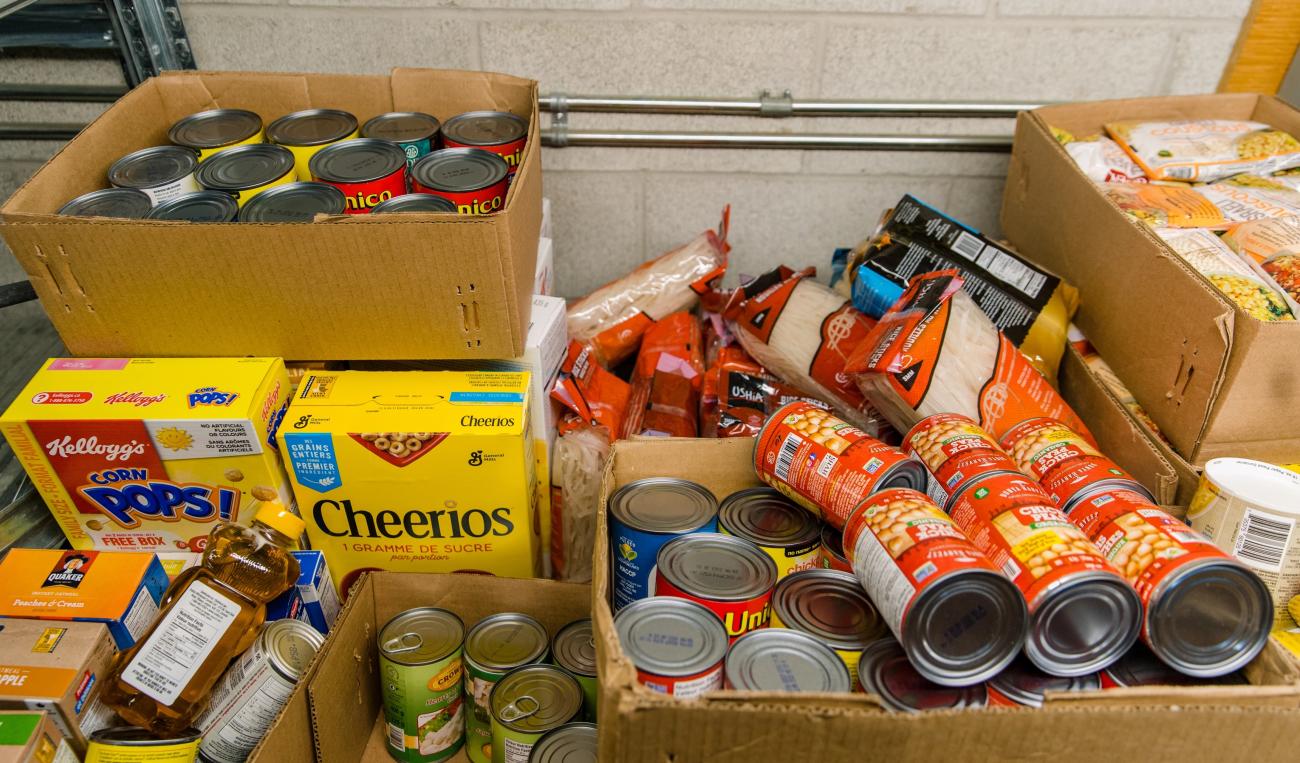
Food insecurity in Manitoba continues to trend upwards according to a recent report undertaken by Harvest Manitoba. About 60,000 Manitobans currently turn to foodbanks, and since 2020 the need for foodbanks has increased across the province by a whopping 150 percent.
Across all provinces, Manitoba sadly boasts the highest child poverty rate. Here, one of every four children lives in poverty conditions.
“Overall, one quarter of all Manitobans are living in some form of food insecurity and one in ten are living in what would be considered severe food insecurity,” the report states. “In a recent Statistics Canada Survey, almost half of Canadians expressed that rising prices affected their ability to make ends meet.”
Equally startling is the demographic shift that’s taking place in Manitoba. Over the past five years, the average foodbank-reliant household has grown from two persons to three. Surprisingly, foodbank recipients holding postsecondary education have increased from 33 percent to 61 percent.
“Sixty-two percent of families [accessing foodbanks] go hungry once a month or more because they cannot afford food,” the report adds.
Who Was Surveyed?
Harvest Manitoba is one of the largest food distributors of its kind across the country, collaborating with many smaller foodbanks in rural communities. From May to September of this year, thousands of foodbank clients across the province were invited to participate in the study. A total of 597 adult responses were received.
“Given that 50,000 people attend foodbanks monthly, this means that we have 95 percent confidence in our results with a four percent margin of error,” the report states.
Sixty-eight percent of foodbank clients are female, and the average age is 41. Just under half are unmarried. Only eight percent own a home; the remainder live in some form of rental housing. The majority don’t own a vehicle and thus rely on public transit.
Challenging some popular beliefs is the fact that only 14 percent have temporary resident status. A full 70 percent are Canadian citizens.
As well, while 35 percent identify as First Nation, Inuit, or Métis, an equal number of recipients are of European descent. The remainder consist of a combination of Black, Latin, or Asian descent. More than one-third have a post-secondary education and one-fifth hold university degrees.
“Nearly half of clients have accessed foodbanks for less than a year, doing so only as a safety net, most often because they do not have enough money to make ends meet,” states the report.
Sixty-five percent of households using foodbanks earned $20,000 annually and 34 percent brought in less than $10,000. The balance fell into the $21,000 to $50,000 category.
Almost half of foodbank clients struggle to work due to disability, a limiting medical condition, or the loss of a job. Many others are forced into unemployment in order to provide family childcare.
What’s Driving Up the Numbers?
According to the study, rising housing costs are a huge factor. In the past five years, the average rent has gone from $732 to $1,084. Total household expenses have risen about 27 percent, including the cost of supermarket food.
“Canada’s Food Price Report (CFPR) estimates that one of our key demographics, single women aged 31 to 50 years, spends an average of $3,865.60 each year on food,” the report says. “This means that many of our clients would spend nearly half of their total income on food costs.”
According to the CFPR, pantry staples have all gone up in price in the past year. This includes items that are Canadian-sourced and unaffected by tariffs.
One such example is ground beef, which has increased in price by more than 17 percent in one year.
Between meat, vegetables, fruit, dairy products, cereals and tea and coffee, every kind of food has increased between 21 percent and 60 percent in the past five years.
Proposed Solutions
The report also proposes a number of solutions.
“The root causes [of poverty], such as inadequate income support, unaffordable housing, insufficient childcare, and barriers to employment require coordinated action across all levels of government,” the report states. “Harvest Manitoba’s recommendations focus on systemic change such as implementing a Livable Basic Needs Benefit, increasing the Canadian Disability Benefit to $500 per month, building affordable housing with integrated supports, expanding employment training, ensuring accessible childcare, and establishing a province-wide food security strategy.”
Stephanie Mikos, the marketing and communications manager for Harvest Manitoba, says that this is the fifth in a series of reports the organization has developed since the beginning of the COVID-19 pandemic. Each one is submitted to the provincial government. Elected officials are likewise invited to a tour of the Harvest Manitoba facility and to participate in roundtable discussions.
In recent days, Mikos says that the 2025 report was brought up for debate in the Legislature during question period.
“No Manitoban should go hungry in a province of such abundance,” states the report. “Addressing food insecurity requires more than charity. It requires policy change informed by those with lived experience, investments in the social determinants of health, and a collective commitment to ensuring that all Manitobans can meet their basic needs with dignity and respect.”